Fitness for Beginners: Complete Starter Guide
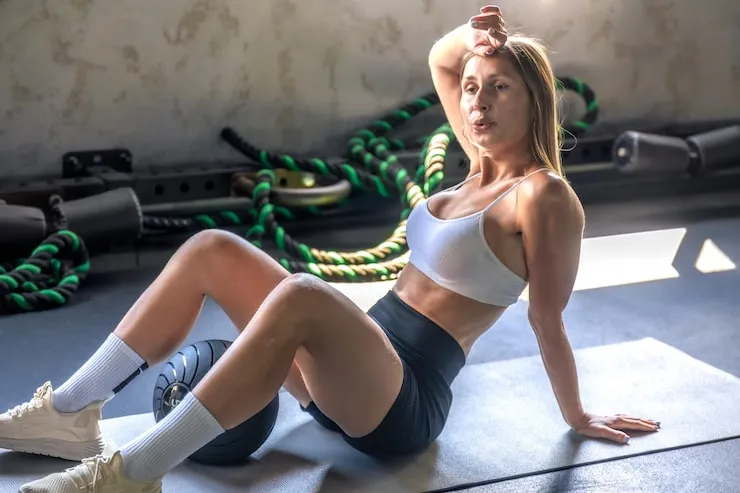
The beginning of a fitness path may be exciting, confusing at times, and even terrifying all at the same time. People often imagine difficult exercises in the gym, weights that are heavy or running for hours without ever stopping. However, the reality of fitness for beginners is more simple and less demanding than. It's about moving your body consistently in order to increase the strength and confidence through small steps as well as finding exercises that are fun, not stress-inducing.
This article discusses the meaning of fitness what it means, why exercise is essential, how novices are able to start without fear, what types of exercises are available as well as how to remain motivated and the way fitness can be integrated to your daily routine. All of the information is written in simple words so that 12- to 13-year olds easily comprehend the information and be motivated to be active.
What Does Fitness Mean?
It's not only about having strong muscles or the capability to run extremely fast. It's about having a body that's mobile, feeling robust, and perform diurnal routines without fatigue exorbitantly snappily. The body that's fit has an active heart with flexible joints, sturdy muscles, and a good equilibrium. Also, it promotes internal heartiness through helping people feel more in their lives, lower stressed-out, and more assured.
Fitness isn't alike for all. There are people who love dancing, while others enjoy playing cycling or football and others prefer swimming or walking. These activities all increase fitness. Most important is being active on a regular basis and enjoying your exercise.
Why Being Active Is Important
Humans are built to move. If people are physically active, their heart muscles become larger and more efficient at pumping blood efficiently, their lungs perform better and the bones and muscles become more robust. Regular exercise can help improve posture, improve sleeping, and help assist in concentrating in school.
Exercise can also help manage emotional stress and anxiety. It releases chemicals in the brain, which makes people feel relaxed and happy. It's the reason why numerous find themselves feeling more relaxed after playing sports, going for walks, or taking a stretch for a short time. In the case of teenagers, being active is particularly salutary since it encourages healthy growth and develops the habit of life.
How Beginners Can Start Safely

If you are beginning training at first it's important to take it slow. Intensely trying to perform quickly can cause injuries or soreness and make some feel like giving up. Beginning Sluggishly allows the body to acclimatize to increased movement. Just ten or 15 twinkles of physical exertion per day is an excellent launch and will gradationally increase as your body gets stronger. It's pivotal. The ideal warm- up could include handling, slow jogging or easy leg and arm exercises that increase rotation to muscles. Following exercise cool down by doing gentle movements and stretching can help to relax the body and lessen stiffness subsequently. Being apprehensive of your body's signals is another important aspect of keeping yourself in a safe terrain. A feeling of being a little exhausted or sweaty is common and a the sensation of dizziness or pain is an suggestion to take a break and relax. Water input before or during and following exercise keeps your body well-doused and performing.
Different Types of Fitness Activities
Fitness encompasses a variety of exercise, and not only any one form of exercise. The activities that are cardio increase the rate of heartbeat and make breathing more difficult. Running, walking or cycling, swimming jumping rope and participating in activities like football and basketball are all considered cardiovascular. The activities increase endurance and heart health and, as a result, the body is able to keep going longer and not get tired.
Exercises that strengthen muscles make them stronger, and also more stable for joints. For those who are new to the sport, strengthening does not mean lifting huge weights. This could include using your muscles through exercises similar as the thickset, wall drive- ups or climbing up stairs. The carrying of a backpack to school as well as helping household chores as well as playing on monkey bars, also utilize muscles in beneficial methods.
Inflexibility refers to how easily joints and muscles be moved. Yoga, stretching, as well as slow- movement exercises help to maintain inflexibility and drop the threat for injury. Inflexibility helps ameliorate posture, and can make everyday conditioning feel smoother and more relaxed.
Exercises that help balance remain steady and avoid fall. Simple steps like standing up on one foot, walking an upright line or attempting various yoga poses may help you improve your stability as time passes.
Making Fitness Part of Daily Life
One of the simplest methods to keep active is by incorporating the practice of movement into daily activities rather than focusing on fitness as a separate thing. Cycling or walking to school or taking stairs instead of taking the elevator, helping to clean at home or outdoors with your friends can will all contribute to greater activity throughout the day.
Confining the quantum of time you sit for is inversely important. Watching television, studying or playing games on the computer for too long without breaks may make your body tired and stiff. Moving up and stretching or walking every thirty to forty twinkles is a good way to maintain energy situations and maintain posture.
Engaging in activities that are enjoyable is the best way to stay in exercise. Certain people enjoy team sports as do others who prefer their own things like exercising while listening to music, or practicing dance routines in their own rooms. The process of trying out different activities helps newbies find what they like the most. If exercising is fun and enjoyable, it ceases to feel like an obligation and instead becomes something you anticipate.
Staying Motivated as a Beginner
Motivation levels can fluctuate both ways, particularly in the beginning. Making small, achievable goals will help you stay within the proper direction. Things like being able to take a few extra steps or do more push-ups or stretch out easier are a good way to track progress with no stress.
Maintaining a positive attitude is crucial. All people start somewhere, and it's normal for people not to do something well immediately. The comparison of progress with others may be a cause for discouragement Therefore, it's better to concentrate on your own personal growth and be happy with small victories.
The presence of a sibling, friend or even a member of the family take part in fitness can make it more enjoyable and more enjoyable and less lonely. Engaging in sports with musketeers or going out for a walk in the evening or indeed doing short exercise vids at home could make exercise a fun pleasurable social event rather of being a task that's solely for you. Sleeping enough and eating nutritional refections can also help in achieving your fitness objects. Your body requires rest in order to recoup and make strength following exercise. Foods that are nutritious, including proteins, fruits, and vegetables and whole grain foods provide the necessary energy to remain in motion and be active.
Understanding That Progress Takes Time
Fitness changes do not happen overnight. Muscles require time to get stronger, and stamina increases by a gradual process of regular training. Certain days may be easier than others. This is perfectly normal. It is important to continue even if that means having a light day every occasionally.
It is common to feel sore after trying different exercises can be common especially at first. The muscles are adapting to the new exercises. A gentle stretching routine, moderate activity or rest can assist in making ease soreness. As time passes, your body grows stronger and heals quicker.
The art of patience is an integral one of the aspects of getting fit. Instead of being focused on the way your body appears more beneficial to pay attention to how your body feels. Being Suitable to run more or carry heavier bags or walk up the stairs without catching breath is a great sign of progress.
Final Thoughts on Fitness for Beginners
For beginners, fitness starts with small steps by being consistent and embracing the experience of getting your body moving. This doesn't need expensive gym equipment or costly memberships. Activities like walking, doing games, stretching and dancing could make a significant impact when they are done consistently.
Particularly for young readers the primary idea is that active is about taking care of the mind and body and not about the pressure of perfection or pressure. Moving helps to build the strength, confidence as well as happiness. It is an enjoyable aspect of daily life. If you are patient, curious and a positive outlook you can embark on the journey to fitness and find the pleasure it brings to be active and healthy.