How Fitness Improves Your Overall Lifestyle

Consider a time when you awake feeling rejuvenated walking to school full of energy, stay focused during class, enjoy a good laugh with your friends, and then you fall asleep easily at night. A lot of people don't realize that fitness routine plays an important role in creating such days. It's not all about muscle mass, speedy running or presenting in a particular way. It's about assisting both the mind and body to work more effectively.
for young and old teenagers being active is one of the greatest presents you can offer yourself. It affects your mood now, and helps to establish good habits for the future. This article discusses how physical fitness can enhance your life using a language that children aged 12-13 will easily comprehend.
What Does "Fitness" Really Mean?
Fitness does not mean getting an elite athlete or spending innumerous hours at the training installation. Simply, it means being suitable to fluently move, is suitable to maintain energy and strength, and that feels well utmost of every day. Fitness includes having a healthy heart and muscles that are flexible balanced, and the energy needed for everyday tasks.
The word "fitness" also refers to mental health. As your body moves and the brain is stimulated, it releases chemical that make people feel more relaxed and happy. This is the reason why you experience a sense of relaxation after an exercise or playing games outdoors. It's all about feeling great within your body and mind and not trying to compete with the other players.
Fitness Gives You More Energy for the Day
This may sound odd, however, utilizing energy from exercise will help you increase your power as time passes. As you train frequently, your heart is stronger and is suitable to pump blood much more efficiently. The result is that oxygen and nutrients are delivered to the brain and muscles more snappily, making it easier to be less fatigued during classes or playing.
Children who are active constantly find that climbing the stairs becomes more comfortable, packs feel less heavy, and ages of time feel less tiring. Short bursts of exercise like playing tag during recess or in the bedroom, may wake your body and increase energy levels.
It Helps You Sleep Better at Night
Active in the morning can help with sleeping easier in the evening. It reduces stress and helps people feel tired and comfortable and healthy. In the course of sleep, muscles heal themselves as well as bones get stronger and the brain organizes everything it has learned during the day.
A good night's sleep can lead to improved mood, focus and energy in the morning. This is a positive process that sees activity lead to relaxation and relaxation helps your body feel more ready to go forward.
Fitness Supports a Strong and Healthy Body
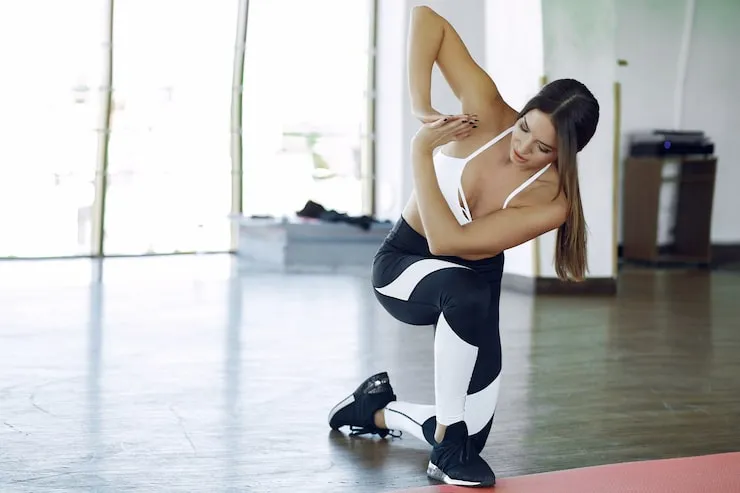
Regular exercise helps bone growth robust and muscles strengthen. This is pivotal during teenage times, as your body's development is rapid-fire. The strength of muscles makes everyday conditioning lightly, for illustration moving academy bags, opening large doors or engaging in games.
Strong bones lower the likelihood of injury later on in life. Training also keeps the airways and the heart in good shape. When you exercise, swim or bike your heart muscle works more efficiently and becomes stronger similar to any other muscle.
It Can Improve Mood and Reduce Stress
Friendships, schoolwork, exams and hectic schedules at times be like a burden. It is natural method to relieve anxiety. As you move your body your body, the brain releases chemical called endorphins which boost the mood and cause you to feel relaxed.
A lot of people feel more calm and more content after doing exercise even though they'd been anxious prior to. Walking and kicking the ball around or stretching in a quiet way will help you relax and provide a positive perspective.
Fitness Helps With Focus and Learning
It's not just about your body. It also aids the brain. The movement increases blood flow into the brain. This helps improve memory and concentration.
Scholars who exercise regularly are suitable to stay in the classroom, be attentive to the assignments, and retain information. Short breaks in movement in between schoolwork sessions can help in refreshing your mind and reduce the stress of studying. exhausting.
Training for fitness can help develop discipline, too. Following a schedule as well as practicing your skills can help build confidence and patience that can be carried over to schoolwork.
Building Confidence and Self-Belief
The process of learning new skills in physical fitness like cycling, swimming and cartwheels or even improving in your sporting activity, makes you feel good about your achievements. The accomplishments build confidence. The goal of fitness isn't to be flawless or being the top at what you do. It's about taking note of the progress you make. Perhaps you're able to run faster than you used to, stretch more and feel more relaxed following a workout.
Small victories can accumulate and cause you to believe that the body can accomplish. The self-belief that you have is usually spread into other aspects of your the life such as trying out new things, talking about yourself in classes, or even making new friends.
Making Friends and Feeling Connected
A lot of fitness-related activities are shared with participants from other groups. Group sports, dance classes or martial arts classes and walking groups or even family bicycle rides connect people. Being with other people gives you the chance to have fun, unite, and inspire the other.
The participated moments can make connections and make you feel like a part of a community. Indeed conditioning that are solely for yourself can be more social when you bandy the experience latterly on or invite someone differently to come on coming time.
Creating Healthy Daily Habits
If fitness is a part of everyday life, it usually promotes healthier choices as well. Regular exercisers are likely to pay more at what they consume since they need fuel for their bodies. It is possible that they drink more water and sleep earlier and are less likely to sit in a single place.
All of these habits help make a better lifestyle for everyone. It makes it easier to deal with stressful school days, stress as well as physical and mental challenges.
Fitness Teaches Important Life Skills
Being active is not only physical abilities. It builds patience since the process takes time. This encourages teamwork in games. It helps develop a sense of responsibility when it is a habit to follow or regularly practice.
Training in fitness can teach you the ability to deal with failure. It's not always easy to win or every exercise can be enjoyable. The ability to persevere helps build resilience. This is an capacity to bounce back from difficult times.
How to Make Fitness Part of Everyday Life
Fitness does not have to mean strict routines or violent exercises each day. It's possible to make it simple and pleasurable. Cycling or walking to academy or playing outside after academy Joining a club or platoon, stretching previous to going to bed, or helping in ménage chores are each good options.
The most pleasurable conditioning are bones that you're enjoying, as they're likely to continue doing the effects you enjoy. Try new games or sports will help you find out your favorite things.
Listening to Your Body and Staying Safe
Feeling active is a good thing all every day. The feeling of tired muscles following exercising is normal however, sharp pain should not be considered. The days off and leisure activities are also important, particularly in times when your body is exhausted.
A good warm- up before a drill and stretching out subsequently can help keep joints and muscles safe. A good brace of footwear and using the right outfit will also keep you safe. Agitating with your parents, guardians or indeed preceptors regarding new openings is always an excellent idea.
Why Fitness Matters for the Future
Your habits that you develop in the present can endure for years to come. Children who are taught to appreciate exercise often turn into adults who are physically active and fit.
Healthy bones, healthy hearts and muscles enable them to take on adventures, travel as well as hobbies and everyday activities later in the course of. An exercise-related relationship that is positive can also help maintain mental health when life gets more hectic.
Final Thoughts
Your fitness level improves by a myriad of ways. It increases your energy position, improves to sleep better, improves your body, boosts mood, improves capability to concentrate, increases confidence and helps you connect with other people. It imparts life- chops and encourages healthy cultures that go far beyond exercises or sports.
For those aged 12- 13 The message is clear. Get your body moving regularly. Discover activities that you like. Consume nutritious food, drink water, take a break and be in tune with your body. When exercise becomes a normal aspect of life, rather than something that is forced on you that is a good thing, it will improve everything, from the way you feel when you wake up and how you sleep to sleep.