Heart-Healthy Meals That Actually Taste Good
In the past, eating a heart-healthy diet was a subject of controversy. A lot of people imagined dull steamed vegetables and dry chicken grilled in the grill, and meals devoid of pleasure because of cholesterol figures. Nowadays, this myth is completely discredited. Science of nutrition, global food fashions, and more efficient technique of cooking have shown that healthy, heart-healthy foods that taste great can be made, and they could be awe-inspiring, comforting as well as exciting.
The search results for words that include heart-friendly recipes healthy foods for the heart as well as cholesterol-lowering dishes as well as healthy fats to nourish the heart and recipes for low sodium meals are expanding because people want to live longer without losing the pleasure. The majority of people want food that their entire family can enjoy and not "special diet food" that is left unattended on the table.
This article explains what makes a heart-healthy meal and what ingredients provide taste and security, as well as what you can cook which promote cardiovascular health, while providing big flavor.
What "Heart-Healthy" Really Means Today
Modern heart-healthy food is all about balance and not the need to eat less. The focus is on whole foods that include plenty of vegetables and fruits, protein-rich lean foods along with fiber-rich grains and legumes and unsaturated fats derived from fish and plants. It encourages you to limit the amount of sodium in your diet and refined sugars trans fats, highly processed food items.
Instead of banging flavor altogether the current approach focuses on the use of spices, herbs and citrus. It also includes garlic vinegars, slow roasting grilling, and intelligent sauces for bringing out the best without the need for the addition of butter or salt.
Plates designed to promote cardio health typically includes vibrant foods that are antioxidant-rich and omega-3-rich seafood, nuts to control inflammation and whole grain products that aid in reduce cholesterol levels. When the ingredients come together carefully, the end result is like a treat rather than a burden.
Why Taste Matters for Heart Health
One of the main indicators of the long-term effectiveness of all eating styles is pleasure. When meals are a bit gruelling the majority of people will abandon their diets. This is the reason why cooking with flavor is now recognized as essential to eating habits that promote heart health.
Food that is enjoyable can increase satisfaction and helps control portion size as well as reducing the desire to indulge in a snack that is processed after dinner. If someone is looking forward to eating dinner, they're much more likely to choose healthy ingredients day after day.
The good news is that numerous of the world's most succulent cookeries-- Mediterranean, littoral Asian, Latin American, and Middle Eastern styles-- naturally align with heart- probative principles. The canvases of olives, tomatoes and legumes, as well as citrus, fish, condiment vegetables, as well as whole grains are the foundation of numerous dishes that are succulent and not boring.
The Flavor-Packed Ingredients That Protect the Heart
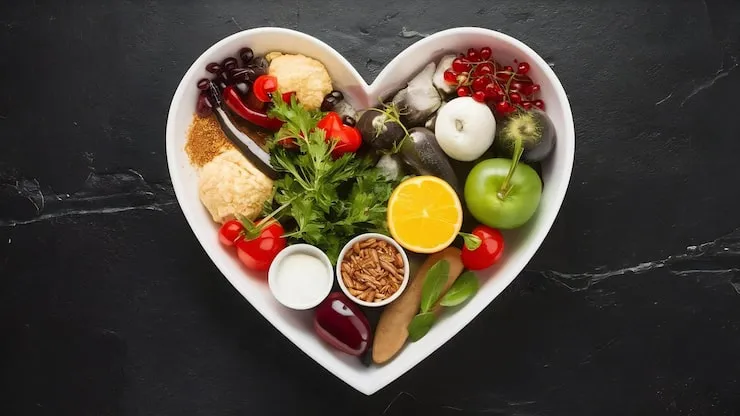
Certain food items are frequently mentioned in studies on the health of your cardiovascular system And, fortunately they're equally delicious superfoods.
The adipose fish like the sardines and salmon as well as trout give omega- 3 fats to help maintain healthy situations of triglycerides and drop inflammation. Seeds and nuts add crunch and uproariousness. They also contain the sterols in shops that help to lower cholesterol.
Olive oil adds the perfect texture and flavor as well as monounsaturated fats that are linked to a boost in heart markers. Beans and lentils provide a rich texture and body to stews and soups as well as soluble fiber that is known to lower cholesterol levels.
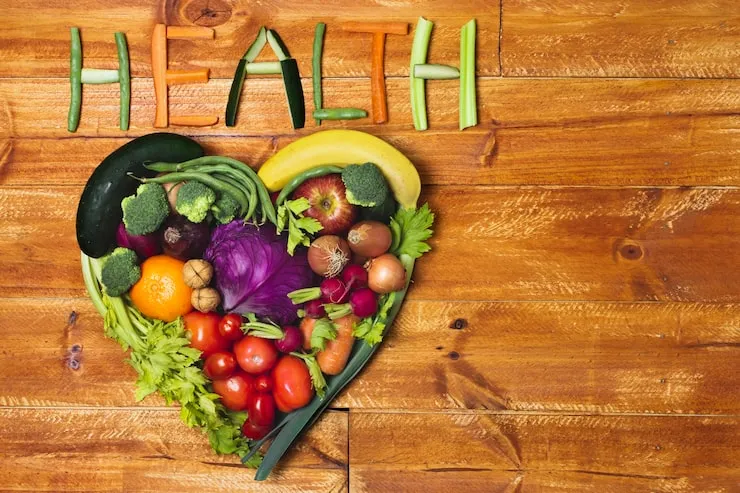
Greens such as leafy bell peppers, tomatoes onions, broccoli and eggplant add volumes, color and antioxidants. Whole grains like oats or barley, brown rice, and indeed quinoa are good for the steady inflow of blood sugar as well as digestive overall health. When the constituents are treated with care- roasted until caramelized stir- shindig with aromatics and cooked sluggishly and seasoned with spices, they make healthy, hearty dishes that are succulent rather of mellow, uninteresting refections.
Cooking Techniques That Transform Healthy Food
What is made of food is just as important as the food that is selected. The heart-smart kitchen, where frying using large amounts of impregnated fats is substituted by grilling, riding, reboiling, storming, or sauteing with small amounts of avocado oil painting or olives. A high- temperature roaster riding vegetable brings out the agreeableness and crisp edges. This transforms introductory veggies like cauliflower and carrots into commodity that's addicting. Grilling funk or fish adds the flavor of hoarse without any sodium. Braising beans slowly or thin meats with tomato-based sauces increases the richness and keeps calories in check.
Acid can be a very powerful instrument. The lime juice, lemon juice vinegar and yogurt-based sauces can brighten meals such that you need less salt. Fresh herbs like basil rosemary, cilantro, dill and parsley add flavor and flavor that make dishes exciting.
Spices are also a major part in. The cumin, turmeric along with chili flakes, paprika along with coriander as well as ginger add the warmth and intrigue while also working perfect with the low sodium heart healthy recipes.
Breakfasts That Support the Heart and the Taste Buds
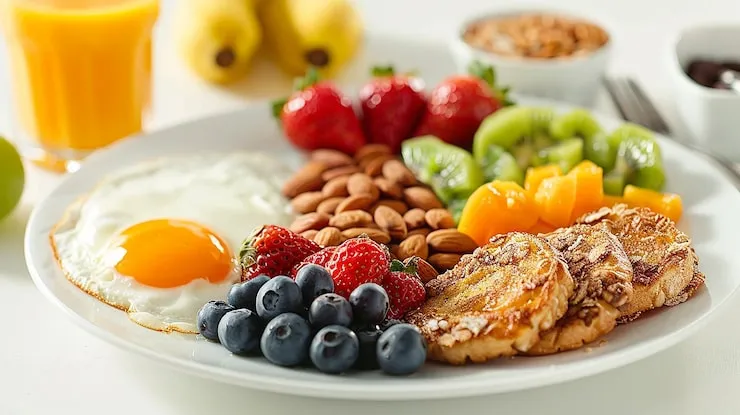
Mornings that are heart-healthy can be elegant instead of therapeutic. Oatmeal that has been cooked in dairy or fortified drinks from plants and served with fruits or nuts as well as drizzles of honey. It's the nutrients of fiber, antioxidants as well as healthy fats, all in a delicious bowl.
Avocado spread on whole grain toast together with tomato and a cooked soft egg gives you a satisfying creaminess and isn't dependent on spreads made from processed ingredients.
Yogurt parfaits with fruit seeds, granola, and granola made from scrape offer protein and probiotics all as well as a sweet taste.Smoothies invested with spinach firmed berries, flaxseed and nut adulation produce rich, succulent drinks that aid in managing cholesterol and maintain energy situations throughout the early morning. They're frequently featured when searching for healthy, heart-healthy breakfasts as they demonstrate that healthy breakfasts can be incredibly pleasurable.
Lunches and Dinners That Feel Like Comfort Food
The real test of the heart-healthy eating habits is during the time of regale and lunch, where jones for salty, sweet or delicate refections generally are at their peak. still, these flavors are fluently recreated in further creative styles. Grilled salmon served with bomb- condiment sauce and repast vegetables is like a mess good of a eatery, while also furnishing omega- 3s and antioxidants. Curries of chickpeas and vegetables coddled with tomatoes and spices give the warmth and pleasure you ask with only a small quantum of impregnated fat.
Whole- grain pasta cooked with garlic, olive oil painting as well as cherry tomatoes, spinach and white sap provides the convenience traditional coliseum of polls, while also aligning with fashions for lowering cholesterol.
Peppers that are stuffed with lentils, veggies as well as herbs provide an incredibly filling meal without having to rely on the heavy meats. Chicken cooked with citrus, olives, and onions offers a punch of Mediterranean flavor while remaining light on salt and unhealthy fats.
These are the types of fashions that can change the way people suppose about the significance of heart health in cuisine because they're succulent and simple to prepare while helping to maintain life and health.
Snacks and Small Plates That Keep Things on Track
Healthy eating for heart health isn't limited to the main meal. Foods are a major factor in general habits as they may help or hinder the pursuit of cardiovascular goals.
Fresh fruit and nuts brings sweetness to the table and nutritious fats. Hummus with vegetables is rich in protein and fiber along with a the creamy texture. Yogurt made with seeds is a great source of digestive-friendly bacteria, as well as satisfying sweetness.
Air-popped popcorn seasoned by nutritional yeast, herbs or even nutritional herbs substitutes packaged salty chips, while providing crunch. Dark chocolate, in small portions can be easily incorporated within many heart-healthy diets and reduces feeling of being depleted.
They are often featured in online guides on nutritious foods for the heart since they can satisfy your cravings without pushing the sodium level or saturated fats to a high level.
Making Heart-Healthy Eating Stick Long Term
The most significant shift in contemporary food and nutrition is the move down from strict rules and towards further sustainable practices. Foods are more pleasurable when they feel regular, social and delightful, rather of being a source of insulation.
This means preparing refections that everybody at the table enjoys trying new the flavors of different societies and spices while keeping the comfort food pets at the table with healthy twists. This also implies allowing room to eat out at restaurants and celebrations with no guilt and returning to healthy meals the following day.
It is also helpful to plan ahead. Keep the olive oil and canned beans frozen seafood, complete grain, vegetables, and herbs at hand allows you to prepare healthy meals in the midst of busy days. Over time, taste buds adapt. A lot of people notice they begin liking the freshness of fresh herbs, citrus as well as fresh fruits and vegetables over acidic or oily food items that make the way of life appear natural and not a burden.
The Big Takeaway
Healthy, heart-healthy foods that are delicious do not come from a false perception or an ad-hoc marketing strategy. They result from using fresh, healthy ingredients, using sophisticated methods of cooking, and dipping towards flavor with spice, herbs acidity, and nutritious fats, instead of excessive butter or salt.
If meals are based around vegetables, legumes whole grains fish, olive oil, nuts and protein lean, and cooked by a chef with flair, they are something to be looking forward to instead of something that you have to go through.
Maintaining your cardiovascular health doesn't need you to sacrifice pleasure eating at the table. The more appealing the taste of food it is, the more likely smart choices for heart health will be habitual. Make sure to eat with a splash of color, cook in a bold way and generously sprinkle with citrus and herbs and have fun with the process. Strong hearts and delicious food can be served in the same dish.