High-Fiber Foods to Improve Digestion Naturally
The feeling of discomfort in digestive issues has been a growing source of common complaint in the modern world. The feeling of being full after consuming food and a slow digestion and irregular bowel movements along with an unending weight gain is all discussed in wellness forums. This is the reason that the demand for intake of fiber-rich food items that aid digestion naturally is growing each year.
These aren't seeking an easy fix through supplementation. They're looking for real, everyday food things that assist in ensuring that your gut functions well that will nourish beneficial bacteria, and help to prolong your life. The search for natural treatments to improve digestion and fiber-rich food items to help digestion health, diets designed to aid digestion, the intake of fiber, the advantages from a nutritious diet along with methods to boost digestion by yourself are all based on the same idea of the significance of fiber.
This composition will explain how fiber can be employed by the body, and why it's so pivotal in maintaining digestive health and the foods that can sluggishly restore balance, without harsh sanctification or extreme food rules.
Why Fiber Is Essential for Digestive Health
It's a type of carbohydrates that are present in plant matter that our bodies can't take in. Instead of breaking up into fragments within the stomach, small and small intestines, fiber gets absorbed by the colon. From there, it performs the most important jobs.
Two major kinds. Soluble fiber dissolves in water, and forms gel-like compounds that aid in stool digestion and slow digestion, and it is an excellent supplier of beneficial intestinal bacteria for feeding. Insoluble fiber can increase bulk and help keep debris moving easily through the digestive tract.
They assist keep regular bowel movements going reduce constipation, ease the symptoms of bloating in a variety of people, and build a healthier microbiome of the gut. The microbial community has a role to play in more than just digestion however, it also plays a role in health and well-being, as well as the control of mood and inflammation.
In the event that people choose to live the lifestyle of a high in all plant foods, digestion will usually improve gradually through the time. Nutrition experts generally recommend higher amounts of fiber prior to trying cleansing programs or laxatives that are intensive.
Signs Your Body May Need More Fiber
Many digestive disorders can be traced to the lack of fiber, particularly those who eat an affluent diet of refined grains or products that are made in a way that is high-quality.
The most frequent symptoms are constipation and irregularity. Feeling full after eating small portions of food, frequent bloating and slow metabolism following meals. Some people be suffering from excessive blood sugar levels or intense cravings. Both can be due to fiber.
Gradationally adding your input of fiber while icing the proper quantum of hydration can show visible advancements after just two days. It's essential to keep the thickness rather of abrupt and drastic changes.
Fruits and Vegetables: Nature's Digestive Powerhouses
Vegetables and fruits constitute the base of a diet that concentrates on foods that are rich in fiber to aid digestive. They provide both insoluble and insoluble fiber along with antioxidants mineral, vitamins, as well as water. These help to boost the gut's health.
Apples as well as pears and fruits like citrus fruits, kiwis and figs are all healthy as they're rich in pectin. It is a soluble fibre that provides beneficial bacteria with food and helps make stool more comfortable and easy to remove.
The carrots, broccoli Brussels sprouts, spinach such as broccoli, cauliflower, kale and artichokes add bulk and provide nourishment for the colon. The sweet squash and potato provide the fiber, and they also have mild carbohydrates that most people manage quickly.
Avocados merit special attention. They are rich in fibre and healthy fats that assist digestion and improve feelings of fullness. They are a great element in many digestive strategies that are healthy and safe.
Foods that are consumed that are available in various hues allows for the circulation of various phytochemicals that help promote Microbial diversity. It is among many reliable markers for the health of your gut.
Whole Grains and Legumes: The Backbone of a Fiber-Rich Diet
Whole grains and legumes are among the top ways to improve your consumption of fiber.
Oats contain beta-glucan, which is a water-soluble fiber that is associated with improved digestion as well as a decrease in cholesterol. The brown millet and rice as well as bulgur, barley, and whole wheat grains provide constant energy levels and keep your digestive tract healthy.
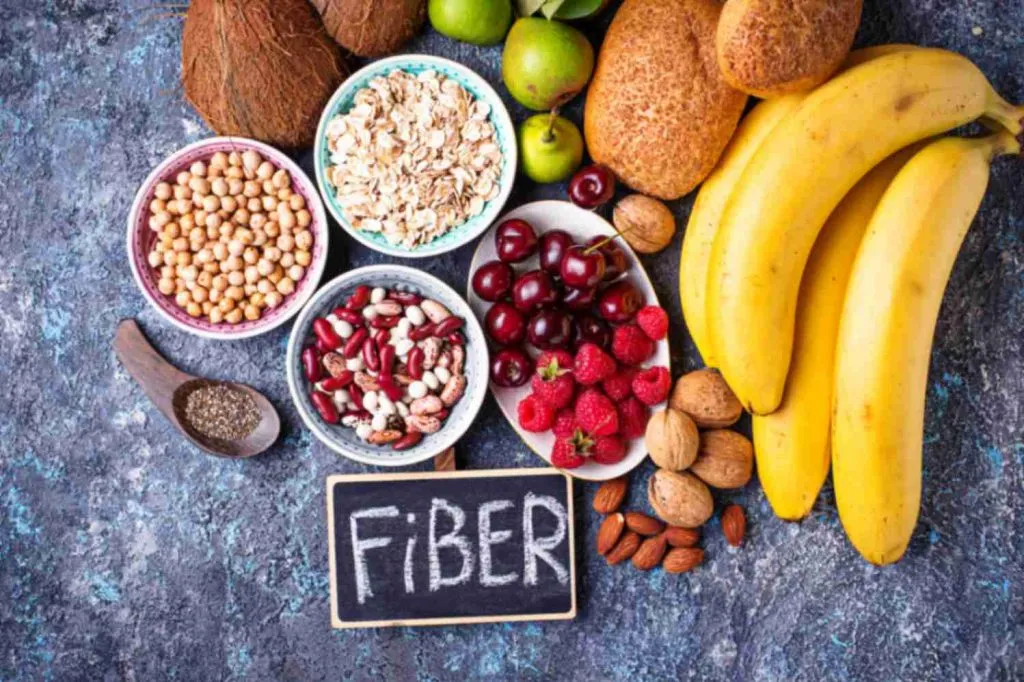
Chickpeas, beans split peas and lentils can be great for digestion. They are sources of fibre and resistant starch, which is digested in the colon and also provides positive bacteria. The consumption of legumes can lead with a higher frequency of stool, and lower digestive inflammation.
If you're an aspiring beginner with these foods, starting gradually is recommended. Intense amounts may cause gas in the short term while the gut bacteria adjust. Start with tiny portions. Gradually increasing portions to allow your digestion to adjust to the new changes.
They're essential for anyone who follows a balanced diet filled with fiber, which is essential for digestion and healthy and good health due to their affordability as well as flexible and healthy.
Nuts, Seeds, and Small Add-Ons With Big Impact
Sometimes the most efficient way to boost the intake of fiber is by using small amounts of toppings, or mixes-ins.
Chia seeds, flaxseeds and chia pumpkin seeds, sunflower seeds, and sesame seeds contain insoluble fiber and beneficial oil. After being incubated, flax and chia make gels which aid in alleviating constipation and improve regularity.
Pistachios, almonds walnuts, and peanuts are rich in fiber. It also helps to promote the feeling of fullness, thereby avoiding eating too much, which can cause stomach stress.
Sprinkle seeds over cereals, yogurt, or salads. Or, adding seeds in stir-fries or cereal bowls is a common way used by many of people following the diet regimens that are natural for improving their digestion..
Fermentable Fiber and the Gut Microbiome
Certain fibers are prebiotics. This means they provide nourishment to beneficial bacteria living in the colon. These include inulin and fructooligosaccharides found in foods like onions, garlic, leeks, asparagus, bananas, chicory root, and Jerusalem artichokes.
In the gut as microbes breakdown fibers, they release short-chain fat acids that help strengthen the lining of your intestinal in addition to helping decrease the inflammation. This is the reason that a fiber-rich diet can lead to better digestion, but in addition, it offers greater benefits for wellbeing.
Prebiotics in combination together with foods that are fermented such as sauerkraut, kefir and the yogurt and kimchi creates an environment that helps to maintain the healthy balance of microbes, the most common method for people searching for products that assist in healing digestion by utilizing natural methods.
How to Increase Fiber Without Upsetting Your Stomach
The most frequently-made mistake that most people commit is to go from a low-fiber diet very intense consumption over an entire night. The result could be gastric constipation, constipation, or even constipation. It can also be an obstacle from the longer-term effects.
It's best to take the gentle method. Begin with a food which is high in fiber by one and gradually increase the amount for a couple of weeks. Consume plenty of fluids for aiding in the process of moves fiber throughout your system.
Consciously chewing and mindful eating and you spread your intake of fiber over a variety of meals instead of being focused just one meal may reduce strain on your stomach.
Your cooking method are also important. By steaming the vegetables gently, or presoaking beans before cooking, and making sure to settle for soft whole grains early on allows high fiber meals to be digested easily when the digestion system is adjusted.
Fiber and Regularity: What to Expect
A majority of people observe changes in their stool patterns during the period between two and three days as they increase the amount of fiber they consume. The stool generally has a soft shape with a more round shape and very easy to maneuver.
It's possible that the energy levels can improve after the blood sugar levels are stabilized as well as the cravings lessen because fiber fills your body with nutrients. Certain people are also able to notice less abdominal swelling as gut microbes are in balance.
The gradual changes are precisely the type of change that people seek out when they search for foods that are high in fiber, which aids digestion naturally--steady improvement rather than an extreme interventions.
Common Myths About Fiber
Some think that fiber is essential in those who suffer from constipation. It is nevertheless crucial to the process of digestion for nearly every person. Many believe that supplements with fiber completely take the place of food, however the plant food sources contain minerals and phytochemicals that powders are not.
There is also the myth that fibers cause the bloating of all kinds. Though temporary gas can be commonplace as a result of adjustment, a lot of people find that their symptoms decrease after digestion has improved and the amount of colonies of microbes change.
A different rumor states that the sugar content of fruit could create digestive issues. Actually, the fiber present in every fruit can help decrease sugar absorption. It is also a major contributor to good digestive health when taken in small amounts.
Making Fiber a Natural Part of Daily Eating
A healthy digestion is the result of developing habitual eating habits, not looking for fast cleanses.
Get your day started with oatmeal that is served with fruit and seeds, opting for bread made from whole grains instead of white. Also, adding soups, salads and beans making sure to fill one-third of the plate of vegetables and eating fruits or nuts are simple and useful ways to eat.
Eating in your home more often will assist in getting your fiber intake to control, since foods from restaurants as well as cooked foods often rely on high-quality cereals.
With time, taste preferences alter. People begin seeking the flavor and texture of fresh food because their bodies adjust to higher levels of fibre.
The Big Picture
Diets rich in fiber, which improve digestion naturally aren't superfoods that have trendy names and unusual powders. These are common fruits and vegetables, as well as whole grains and legumes as well as the seeds and nuts that are consumed frequently and in a controlled manner.
By nourishing the bacteria that live in the digestive tract and encouraging regularity, it aids in reducing inflammation, and also reduces the amount of food consumed and can aid in maintaining overall health, which goes beyond the digestive.
With patience, variety of water intake and slowly altering the way they feel Most people are able to alter the way that your stomach is feeling, and without diets that are extreme or demanding regimes.
Eat more veggies, create a vibrant food and savor your meal slowly, take the time to drink a glass of water, and let the fiber do the way it always has to help your body become up and moving, be balanced and thrive through nourishing your body's internal organs.