Low-Calorie Lunch Ideas That Dont Leave You Hungry

The lunch hour is usually where the best plans go sour. Small salads that look healthy at noon could be a source of intense cravings for food after three hours. Sandwiches that are quick and easy to make may be delicious, but it can send your the energy level plummeting shortly after. This is precisely why the majority of people look for recipes for a low-calorie meal that aren't a complete waste of time..
The majority of people don't wish to cut down on food consumption. People want to make smarter choices with their meals that are nourishing as well as taste delicious, but nevertheless support weight loss or health objectives. On top of that, many take care of digestion as well as digestive health that is why words such as high-fiber lunches, high-volume low-calorie food items, healthy lunch to lose weight or even food items high in fiber to aid digestion naturally are often mentioned in similar conversations.
This article explains what makes lunch full without being heavy on calories and which foods work the best and the best way to make dishes that will keep you full indefinitely instead of just a few mere minutes.
Why Most Low-Calorie Lunches Fail
The most common mistake made by people in trying to consume less in the middle of the day is cutting out excessively or ignoring important nutrients. An ordinary green salad dressed and a drizzle of dressing might technically be lower in calories, however without sufficient protein, fiber and even texture, the body will be asking to eat more.
It's not only related to calories. It's influenced by digesting speed and blood sugar stability and hormones which signal hunger. Foods that are dominated by refined carbohydrates or small portions of food digest fast which leaves people looking for food items shortly after.
A satisfying healthy, low-calorie lunch generally includes three components that work together with lean protein that slows the digestion process, fiber-rich vegetables to provide bulk and boost the gut along with a little bit of healthy fats to provide flavor and pleasure. When these components are in the food the calories will remain reasonable and fullness can remain healthy.
The Secret Weapon: Fiber and Volume
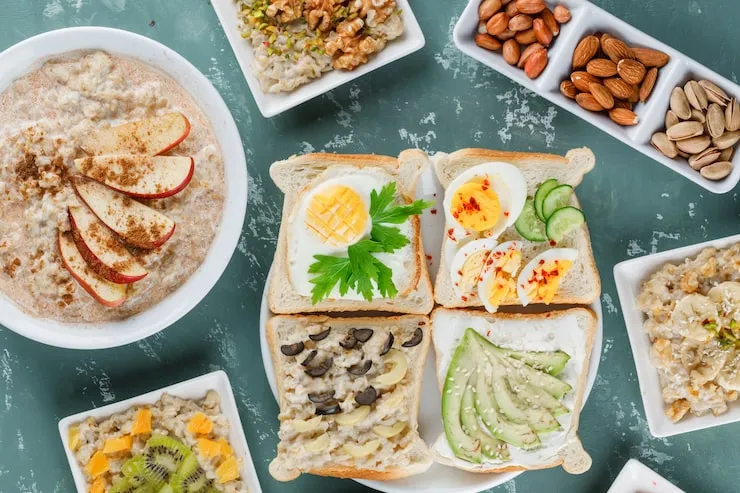
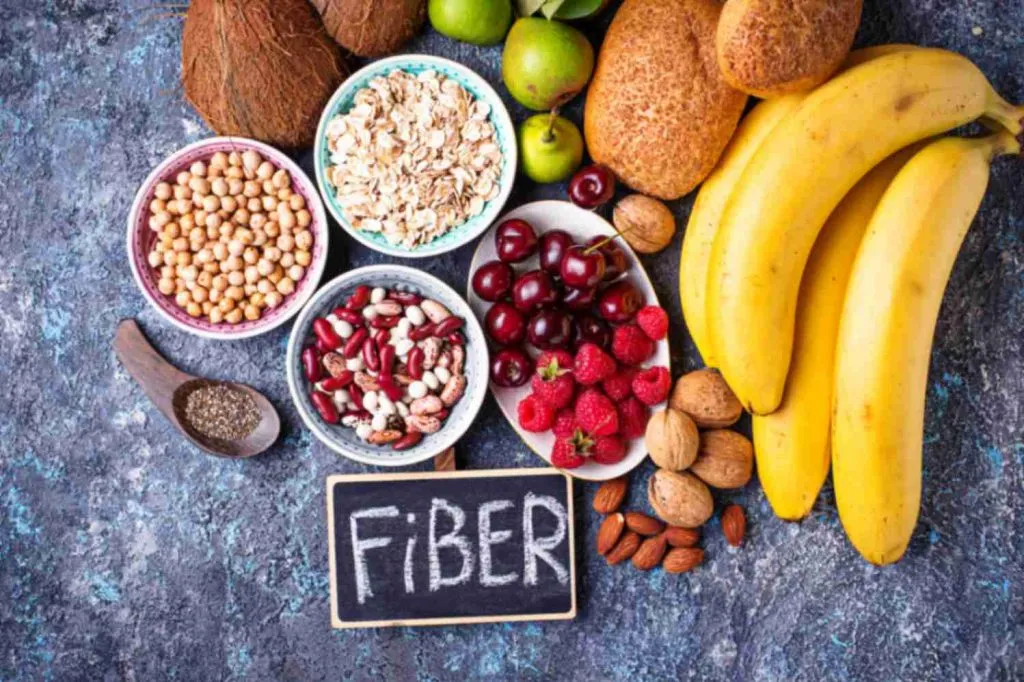
The importance of fiber is that it's one of the strongest tools to being fuller with less calories. Fruits, vegetables beans, whole grains and seeds can add volume in meals, but they do not add many calories. They can also slow down digestion and provide beneficial gut microbes that is the reason they have a strong connection with a desire for food items high in fiber to aid digestion..
Green lush vegetables, cabbage cauliflower, zucchini, broccoli and tomatoes. Peppers, mushroom, carrots, and cucumbers are a great way to increase the size of your plate while consuming smaller calories. Lentils and beans provide proteins and fiber they are particularly useful in meals that are plant-based.
If a significant portion of the food served on a plate is in the form of legumes or vegetables it is much more difficult to consume too many calories, and much more enjoyable to be happy.
Protein Keeps Hunger Quiet
Protein is also a key player in the control of appetite. The hormones it triggers signal fullness. It takes longer to absorb than refined carbohydrates on their own.
Turkey, chicken breasts and eggs, tuna, salmon tempeh, tofu, Greek-style cottage cheese, yogurt as well as beans are popular anchors for delicious low-calorie and healthy lunch options. Even small portions can make huge differences on how long food can keep a person satisfied.
Protein is also a stabilizing agent for blood sugar and helps to prevent rapid energy drop that may cause vending machines to be hacked or sugary drinks later in the afternoon.
Big Salads That Actually Work
Salads are only a source of hunger only when they're based on lettuce on its own. The most satisfying, low-calorie salad is closer to an entire meal bowl.
Make a big base of mixed leaves or chopped cabbage. Also add roasted or raw vegetables to add the color and crunch. You can add a meaty protein like grilled funk shrimp, chickpeas or tofu or hard- boiled eggs. also, add a bitsy quantum of avocado's healthy fat or nuts, seeds or a dressing made of olive oil painting.
This type of salad provides the fiber demanded for digestion, proteins to help you feel fuller, as well as enough in texture and taste to make you feel full. It's a great choice for plans that concentrate on healthy refections with smaller calories that will help you stay feeling full and also aids in digestion comfort.
Soup: The Underrated Hunger Fighter
Soups and stews are among the most effective methods for eating low in calories. The water-rich food items take up more some space in the stomach, and can increase the feeling of fullness, even if the calories are not too high.
The rich, vegetable- grounded broths that include funk, sap, lentils or tofu can produce cozy, warming refections that are slow to digest and emotional satisfaction. mists made with tomatoes that are packed with veggies as well as cabbage mists containing diced meat, lentils and spinach stews give proteins and fiber in large portions.
Combining haze with a bitsy piece of chuck made from whole grain or salad on the side could turn it into an entire mess for lunch without putting too important calories into it.
Wraps and Bowls With Smart Swaps
Wraps and sandwiches don't necessarily have to go away on a low-calorie diet. It's all about adjusting the proportions.
Wraps made of whole grain, thin lettuce leaves, or even open-faced bread can reduce refined carbohydrates and keeps the taste healthy. The addition of piles of veggies, protein that is lean as well as yogurt-based sauces in place of rich mayonnaise helps keep calories down while increasing quantity.
A grain bowl can be useful with vegetables when they dominate the center and the grains function more as an element of support instead of the main player. Cauliflower rice, when mixed with regular rice or quinoa, paired with roast beans and vegetables, provides the illusion of balance, without being overly crowded.
They are appealing to those looking for easy healthy meals, light but full food items as well as meals that are high in fiber..
Plant-Forward Lunches That Satisfy
A diet that is low in calories does not need to be a meat-based diet. Lunches that are based on legumes, veggies, and whole grains are highly filling because of their high fiber content.
Lentil salads with chopped veggies with the dressing of lemon, chickpeas and cucumber bowls with a herb and tofu stir-fries on the rice of cauliflower or black beans, chili for vegetables all provide slowly digesting proteins and carbohydrates with a method that aids digestion.
They frequently overlap with the interest in digestive health since legumes and vegetables provide prebiotic fibers which feed beneficial bacteria. They also link back on the popularity of foods high in fiber to aid digestion..
Texture and Temperature Matter More Than You Think
The satisfaction of a meal isn't solely based on nutrition. Crispy vegetables, rich sauces, warm soups and a chewy grain all help give your meals a more satisfying.
A plate of roasted vegetables that have crisp edges is usually more full than those that are that are plain and raw. Tahini, yogurt-based dressings or small quantities of olive oil can increase the quantity without putting in huge calories quantities.
Certain foods that are warm are more relaxing and satisfying than cold meals and that's the reason soups, stews and roast trays frequently beat cold foods when hunger is acute.
How to Avoid Afternoon Snack Attacks
When hunger sets in just after lunchtime typically, it's a signal that something has gone not present in the food. It is usually the fiber or protein.
Making lunches that include at a minimum, a protein-rich source as well as plenty of fresh vegetables helps to reduce this issue dramatically. It is also beneficial to drink water with meals. aids, as slight dehydration could be disguised as hungry.
Slow eating is also important. The brain needs the time to process signals of fullness that signal fullness, and so eating lunch in a hurry in a workplace may result in feeling disappointed regardless of whether the food is healthy and nutritious.
Making Low-Calorie Lunches Sustainable
The most difficult thing about lighter eating is the consistency. It is easy to abandon a plan that feels unnatural, repetitive or uninteresting.
A rotation of flavor options can help. Mediterranean bowls on one hand while Asian-inspired stir fries the next and Mexican-flavored bean salads following this. Variation in sauces and spices keep the same ingredients interesting.
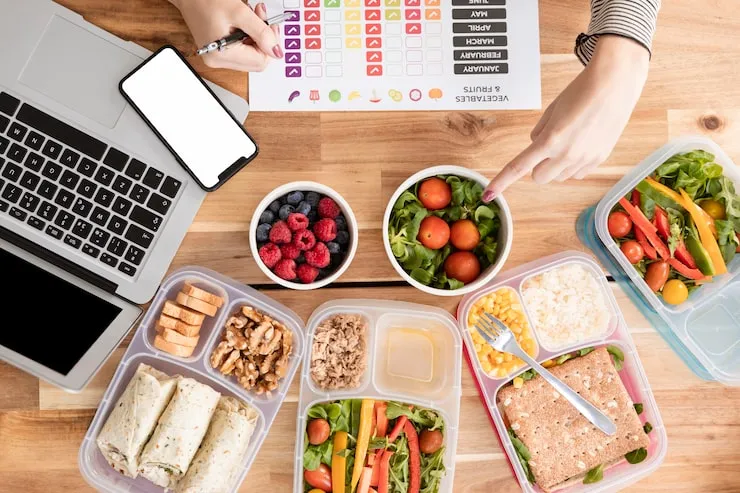
Preparing a meal's components ahead of time--cooked vegetables, roasted vegetables grains, washed-clean greens and grilling proteins makes it simpler to put together balanced meals in a hurry throughout busy days.
The ability to keep frozen veggies such as canned beans, frozen vegetables, and even broth in the fridge can help you make healthy meals even when your fridge is about to be empty.
What to Expect When You Eat This Way
People often notice a more steady performance in the afternoon as they eat light meals with fewer calories that won't make you feel hungry. In general, appetites reduce, digestion is more comfortable and concentration improves. Since fiber intake typically increases the regularity of bowel movements and well-being are often improved this is the reason these meals naturally align with the desire for digestive health.
The process of managing weight becomes simpler for lots of people too and not just because they feel hungry, but due to the fact that the meals satisfy enough to keep them from grazing.
The Big Picture
A low-calorie meal does not have to be boring, small or even a bit stinging. If they are based around healthy proteins, vegetables as well as fiber-rich meals, along with clever flavor selections They can be a feeling of generosity as well as comforting and pleasant.
Focusing on the volume of plant sources, paying attention to the protein content, and using techniques that improve flavor without putting on extra calories, it is feasible to consume less food in the midday, and not be full of food.
Include the benefits for digestion which are derived from fiber-rich food ingredients -- the same ingredients that are praised in discussions regarding high fiber foods to aid in digestion in a natural way--and the lunch becomes an ineffective link to one of the best food choices of the day.
Take large amounts of healthy foods, eat with vigor, take your time while eating, and let your happiness be derived from food rather than excessive consumption. This is the secret for low-calorie, healthy meals that are effective.