Athletic Fitness Workout At Home: Best Routines to Build Real Power
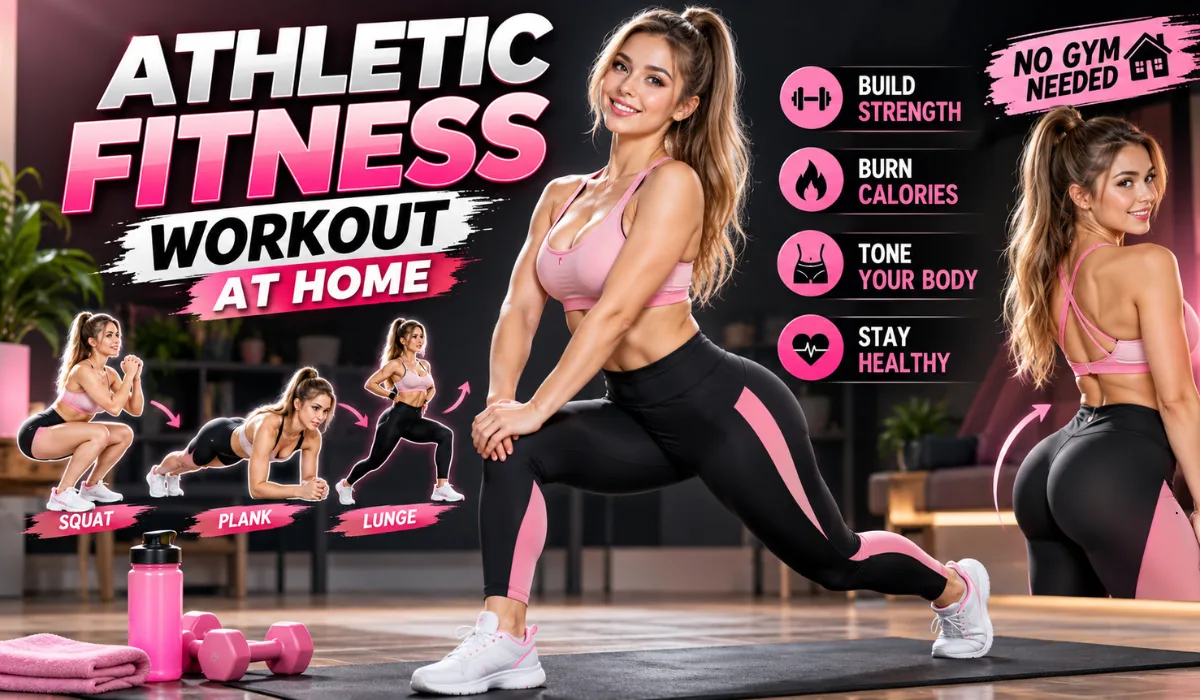
Have you ever wanted to run faster, jump higher, and feel stronger without stepping foot inside a crowded gym? I remember staring at my living room floor years ago, wondering if I could ever get into top-tier athletic shape without fancy machines. The good news is that you totally can! Athletic Fitness Workout At Home routines transform your living space into a high-performance training ground. Whether you want to dominate on the sports field or simply move through your daily life with incredible energy, training at home builds real, functional power. Let us dive deep into how you can level up your fitness starting today.
What Are the Best Athletic Workouts to Do at Home?
When we talk about athletic training, we focus on movements that make you agile, explosive, and resilient. Traditional bodybuilding routines often isolate single muscles, but an Athletic Fitness Workout At Home trains your entire body to work together seamlessly. The best routines combine bodyweight power, balance drills, and quick footwork. You do not need heavy dumbbells or expensive barbells to build elite physical capability.
Bodyweight Mastery and Workout at home without equipment
Mastering your own body weight is the true foundation of athletic prowess. When you perform push-ups, lunges, and squats, you build relative strength—meaning you learn to control and propel your own mass efficiently.
For instance, the Body fitness Exercise for Girl at home category focuses on functional bodyweight movements that sculpt lean muscle and boost core stability safely. Meanwhile, a Full body workout at home without equipment incorporates moves like burpees and mountain climbers to spike your heart rate and build raw conditioning. You can easily squeeze these into a 30 minute workout routine at home, which fits neatly into a busy schedule while delivering maximum physical rewards.
"True athletic power starts with bodyweight control. If you cannot move your own body efficiently through space, adding external weight only magnifies weak mechanics." — Coach Marcus Vance, Sports Performance Specialist
Read Also: Top Fitness Exercises For Better Physical Health: Your Ultimate Guide
Why Are Athletic Fitness Workouts Important?
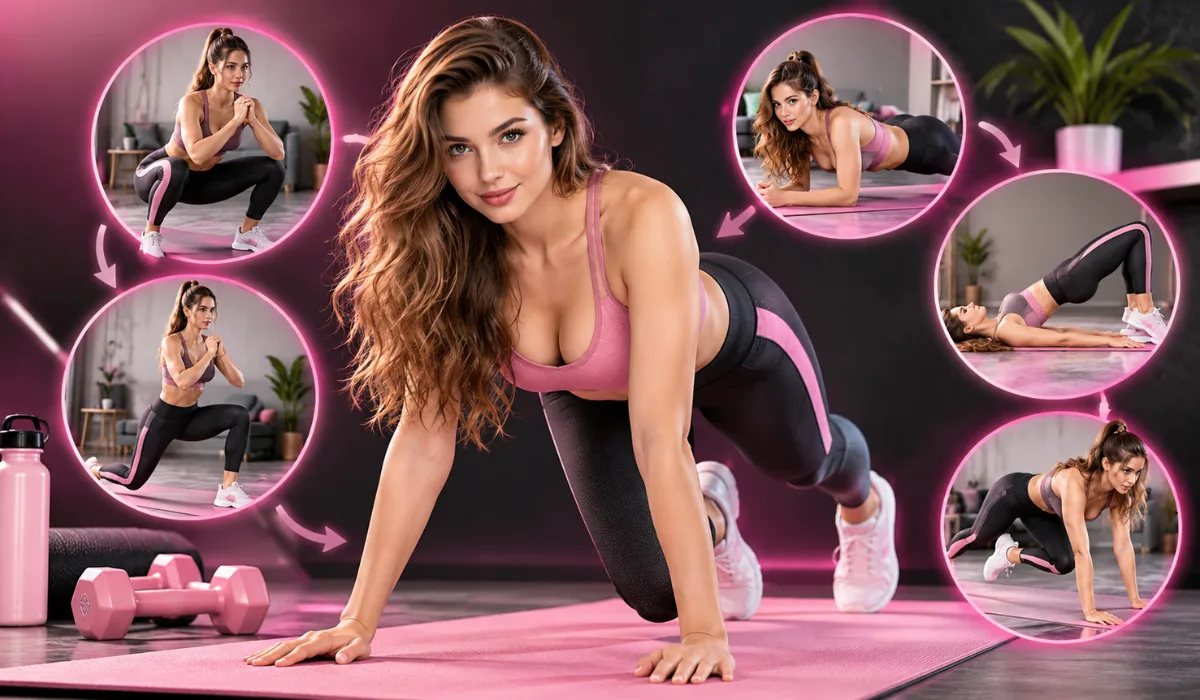
Fitness is not just about looking good in the mirror; it is about how well your body performs under physical pressure. Regular athletic training protects your joints, improves your posture, and skyrockets your daily stamina. When you practice multi-directional movements, you bulletproof your body against everyday injuries. You become faster, more flexible, and ready for any physical challenge that comes your way.
Building Longevity and Daily Stamina
Athletic training keeps your nervous system sharp and your metabolism humming. Unlike slow, monotonous cardio sessions, athletic drills challenge your brain and muscles simultaneously. People often ask, Why are athletic fitness workouts important? The answer is that they develop raw functional strength that translates directly into real-world activities. If you wonder How can I improve athletic performance with home workouts?, the key lies in consistency, proper movement mechanics, and progressive overload. Engaging in Full body sports conditioning at home successfully blends endurance, power, and coordination into a single, cohesive training style.
Top 10 Athletic Fitness Workout At Home
Are you ready to sweat? Here is a powerful list of movements that form the Top 10 Athletic Fitness Workout At Home. You can do all of these workout at home without equipment.
- High Knees: Pump your arms and drive your knees up to build running speed.
- Jump Squats: Explode upward from a deep squat to build leg power.
- Push-Up Variations: Build chest, shoulder, and tricep strength.
- Reverse Lunges: Step backward to protect your knees while building single-leg stability.
- Broad Jumps: Jump as far forward as possible to build explosive lower-body force.
- Plank Shoulder Taps: Keep your hips still while touching opposite shoulders for core power.
- Tuck Jumps: Bring your knees to your chest mid-air for maximum explosiveness.
- Bear Crawls: Crawl forward and backward to bulletproof your shoulders and core.
- Single-Leg Glute Bridges: Build powerful glutes for running and jumping.
- Speed Skaters: Move laterally with maximum power and agility.
Speed, Agility, and Quickness Training
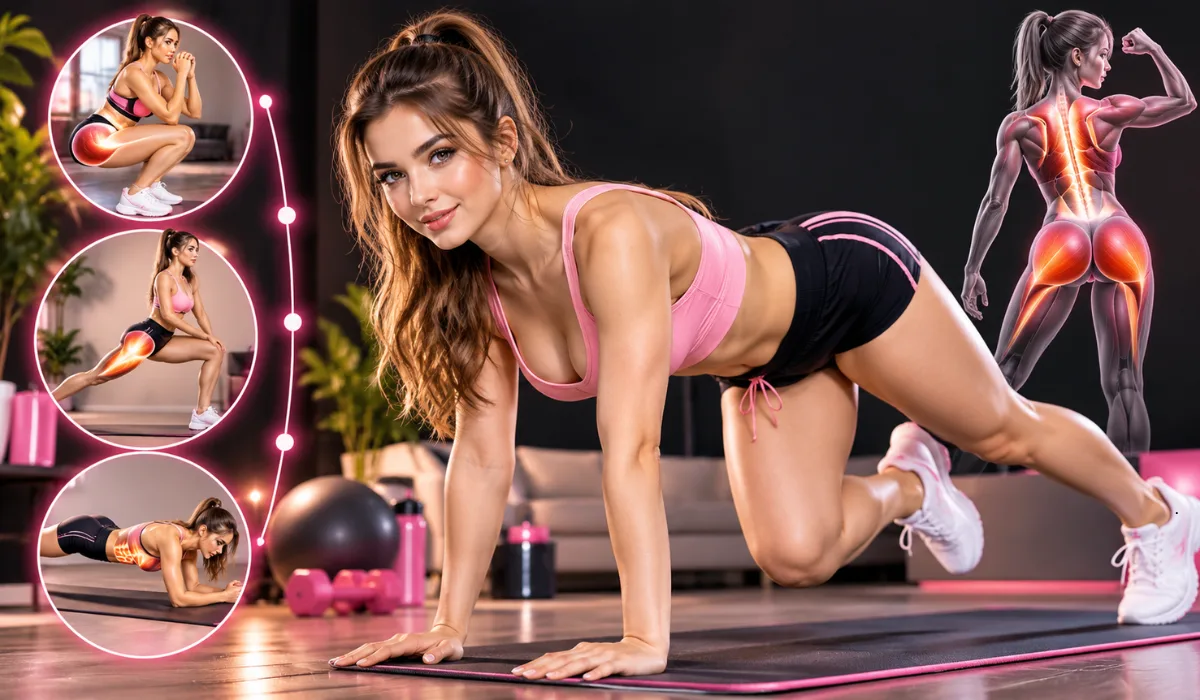
Speed is not just a genetic gift; it is a skill you can actively train and improve. Agility training teaches your nervous system to change directions smoothly without losing momentum. You do not need a massive turf field to practice speed drills. A simple strip of living room floor or your backyard patio is more than enough space to spark major athletic gains.
Speed and agility workout at home
Quick footwork drills fire up your fast-twitch muscle fibers. By keeping your steps light and rapid, you train your brain to communicate with your legs much faster. You can practice agility ladder footwork patterns using taped squares on the floor, perform fast feet in place followed by an explosive sprint forward, and execute quick directional changes mimicking defensive sports drills.
"Agility is the ultimate equalizer in sports and daily movement. Training your feet to react quickly changes your entire physical confidence." — Dr. Elena Rostova, Exercise Physiologist
Read Also: 10 Best Fitness Training For Energy Boost Routines to Stop Feeling Tired
Explosive Power and Plyometric Movements
Power is the combination of raw strength and incredible speed. When athletes dunk basketballs, sprint down a track, or leap over obstacles, they rely entirely on explosive power. Plyometrics teach your muscles to stretch and shorten rapidly, acting like a spring loaded with stored energy. Incorporating these moves into your Athletic Fitness Workout At Home will unlock a whole new gear of physical capability.
Explosive strength exercises at home
Unleashing maximum force in minimum time transforms your physical profile. These high-energy movements demand focus and deliver incredible athletic results. You can perform jump squats focusing on soft, cushioned landings, utilize box jumps using a sturdy household platform or low step, and practice plyometric push-ups where your hands leave the floor momentarily.
Core Stability and Functional Strength
A strong core is much more than just a set of visible abdominal muscles. Your core acts as the central powerhouse that transfers energy between your upper and lower body. Whether you are twisting to throw a ball or bending down to pick up groceries, a rock-solid core keeps your spine safe and your movements powerful.
Core exercises for athletic performance
Functional core training goes far beyond basic crunches. We want to train your trunk to resist unwanted movement and generate rotational power. Effective options include forearm planks with leg lifts for deep abdominal strength, Russian twists to enhance rotational core power, and dead bug holds to teach proper spinal alignment under tension.
Lower Body Power: Leg Strength for Athletes
Your legs are the engines of athletic movement. Building strong quads, hamstrings, glutes, and calves gives you the foundation to run faster, jump higher, and stand firmer. Single-leg training is especially important for athletes because most sports and daily movements happen on one leg at a time.
Leg strength workout for athletic performance
Targeting your lower body with unilateral movements corrects muscle imbalances and builds bulletproof joints. You can try Bulgarian split squats using a chair or couch for elevation, single-leg glute bridges to fire up your backside, and walking lunges to build deep leg endurance and balance.
Read Also: Top 10 Fitness Exercises For Active Lifestyle: Best Daily Workouts
Fat-Burning Conditioning: HIIT athletic workout without equipment
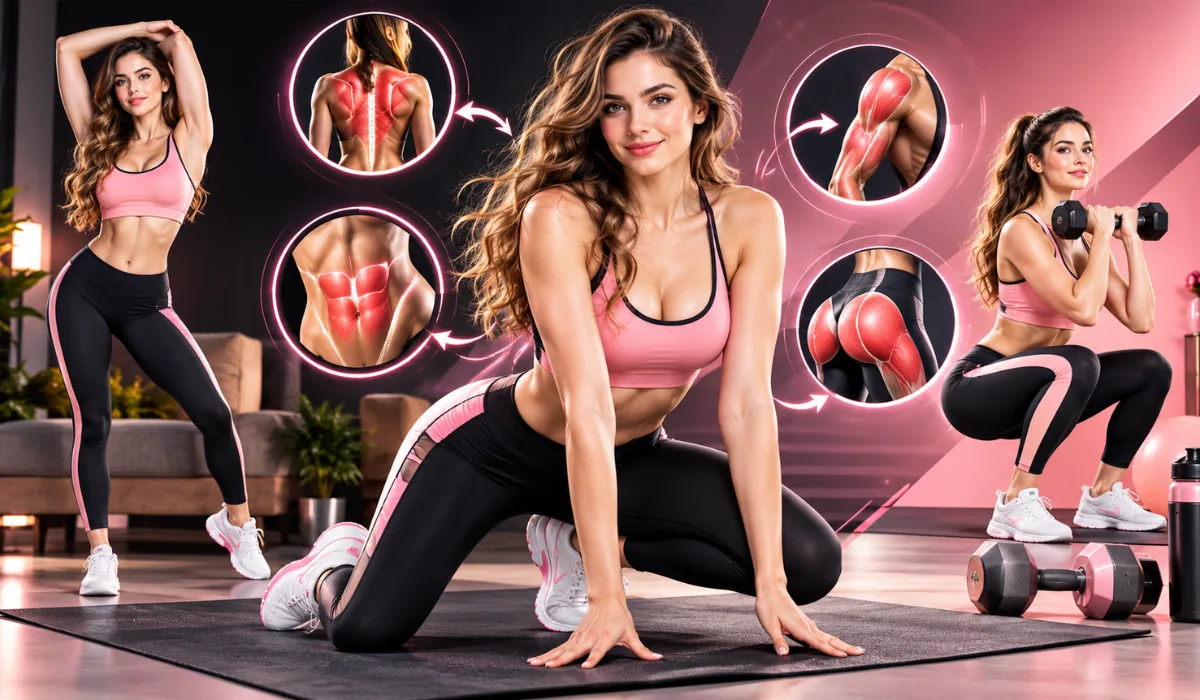
High-Intensity Interval Training (HIIT) is a secret weapon for busy athletes. It pushes your cardiovascular system to the limit in a short amount of time, burning calories long after your workout ends. A well-structured Athletic Fitness Workout At Home utilizing HIIT format keeps your heart rate soaring and melts away unwanted body fat while preserving lean muscle.
Maximizing Output in Minimal Time
Pushing hard for short intervals followed by brief rest periods teaches your body to recover quickly under physical stress. You can perform each high-intensity movement for 45 seconds, rest for 15 seconds before transitioning to the next exercise, and complete four full rounds for an intense training experience.
Frequently Asked Questions
Can I really build elite athletic fitness without going to the gym?
Yes, absolutely! Bodyweight training, plyometrics, and agility drills provide all the resistance and cardiovascular challenge needed to build professional-grade athleticism right in your home.
How many times a week should I do an Athletic Fitness Workout At Home?
Aim for 3 to 4 high-energy sessions per week. This gives your central nervous system and muscles plenty of time to rest, repair, and grow stronger between workouts.
Are these home workouts suitable for beginners?
Yes, every exercise can be scaled. Beginners can reduce jumping intensity or shorten workout intervals, while advanced athletes can increase speed and add challenging variations.